Close in 20 Days: Home Inspection vs Appraisal for U.S. Buyers
· By the HomePilot team · Reviewed by a licensed loan officer · Company NMLS #2752340
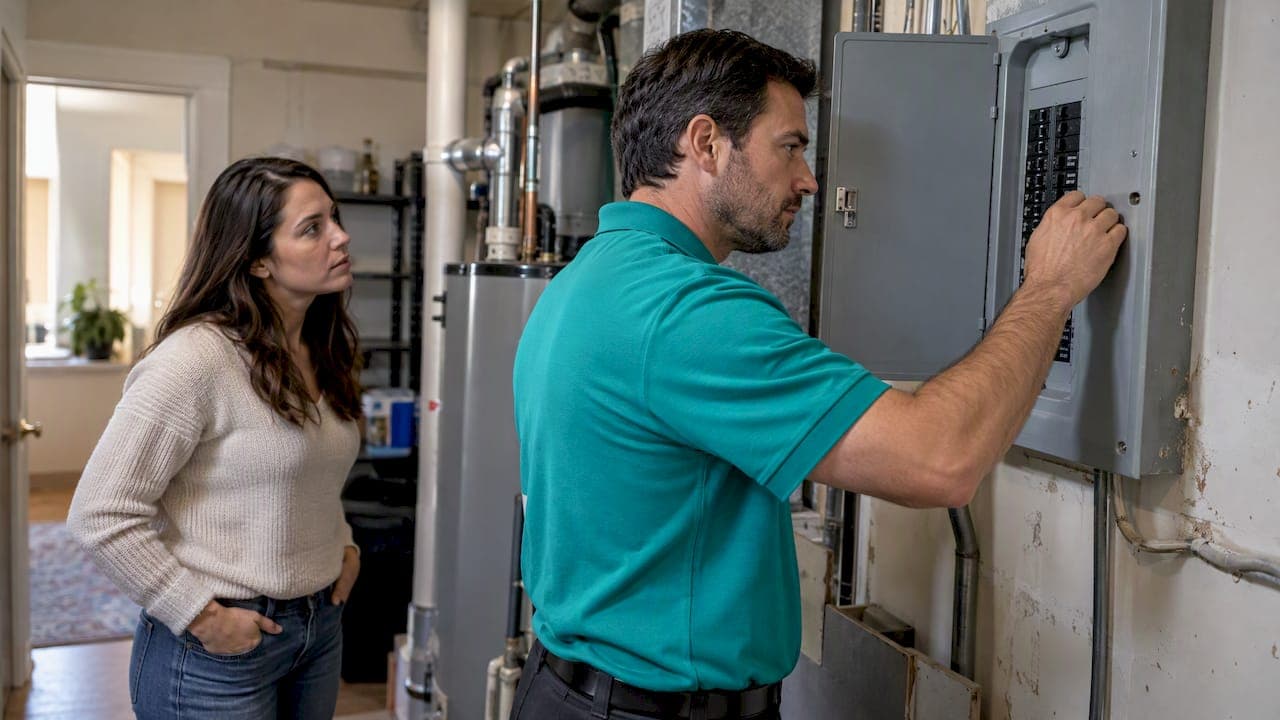
An appraisal tells your lender what a home is worth. An inspection tells you, the buyer, what condition it’s actually in. Appraisals are typically required when you finance a purchase, while inspections are optional but strongly recommended because they catch problems that value reports never touch. Together, they protect two different things: your loan and your money.
TL;DR:
- Inspections often happen within days of acceptance and take two to four hours; appraisals typically arrive one to two weeks after the lender orders them.
- Buyers generally pay a few hundred dollars for each service, and both bills remain due even if the transaction falls through.
- For a low appraisal, check comparable sales for errors, request reconsideration through your lender, then consider negotiating the price or covering the gap.
- For major inspection defects, request repairs, a closing credit, or repair escrow; an inspection contingency may let you leave and keep your earnest money.
- FHA and VA appraisals can require safety repairs but do not replace inspections; lenders must provide appraisal copies at least three business days before closing.
Table of Contents
- Appraisal and Inspection: Two Different Jobs
- Who Hires Each Professional and Who They Protect
- How Timing and Cost Compare Between the Two
- Red Flags: Value Problems vs Safety Problems
- What to Do After a Low Appraisal or a Rough Inspection
- FHA, VA Rules and Your Right to See the Appraisal
- Your Checklist from Accepted Offer to Closing Day
- How We Help Buyers Time Both Reports Without Losing Days
- Get Your Mortgage Priced While You Handle Inspection and Appraisal
- FAQ
- Sources
Appraisal and Inspection: Two Different Jobs
A home appraisal estimates market value so a lender can confirm the loan amount is justified by the property. Appraisers compare the home to recent nearby sales, inspect its general condition, and document findings on standardized forms. Government-backed loans require specific formats and scope, including the URAR and related FHA forms, which set out what the appraiser must check and report.
A home inspection is a noninvasive, visual look at a property’s systems and structure, performed under published industry standards. Inspectors examine the roof, foundation, electrical, plumbing, and HVAC systems, then deliver a written report with photos and recommended next steps.
- An appraisal answers “what is this home worth?”
- An inspection answers “what shape is this home in?”
- Neither one is a warranty, and neither guarantees code compliance.
Buyers sometimes assume a clean appraisal means a sound house. It doesn’t. Appraisers aren’t trained to identify hidden defects the way inspectors are, and inspectors don’t weigh in on value at all.
Who Hires Each Professional and Who They Protect

Your lender orders the appraisal, and the appraiser’s contractual duty runs to that lender, not to you. Even so, the ECOA Valuations Rule gives you the right to a copy of that appraisal, so the report still informs your decision even though you didn’t commission it.
The inspector works for you. You choose the company, you pay for the visit, and the report goes straight to you, not the seller or the lender.
- Appraiser: hired by the lender, reports market value, governed by USPAP and lender guidelines.
- Inspector: hired by the buyer, reports condition, governed by standards like InterNACHI’s.
- Read the appraisal as a lender’s risk check; read the inspection as your own due diligence.
Knowing who hired whom changes how you should read each document. An appraisal that comes in at your offer price confirms the lender’s comfort with the loan. It says nothing about whether the water heater is on its last leg.
How Timing and Cost Compare Between the Two
Most purchase contracts schedule the inspection first, often within days of an accepted offer, since your contingency deadlines usually start the clock. The appraisal typically follows once you’ve submitted a full loan application, because the lender needs an active file before ordering one.
- Inspection: scheduled soon after acceptance, usually takes two to four hours on-site, with a written report following within a day or two.
- Appraisal: ordered by the lender after application, involves a property walk-through plus a review of comparable sales in the neighborhood, with the report typically landing within a week or two.
- Payment: buyers generally cover both costs, and both are paid regardless of how the transaction ends.
Consumer-facing guidance puts typical costs in the range of a few hundred dollars for each service, with specifics depending on home size, location, and complexity, according to ConsumerAffairs. Because the appraisal depends on a completed loan application, delays in paperwork on your end can push back the appraisal order and, with it, your closing date.
Red Flags: Value Problems vs Safety Problems
Some findings mainly affect what a home is worth. Others affect whether it’s safe to live in or what it will cost to fix. Knowing which is which helps you react appropriately instead of panicking over a minor note or ignoring a serious one.
- Appraisal-side concerns: deferred maintenance, a shortage of strong comparable sales, or signs the neighborhood’s values are softening.
- Inspection-side concerns: foundation cracks, water intrusion, major roof damage, or outdated and unsafe electrical wiring.
Many of the issues that most affect underwriting and resale value trace back to structural or moisture problems, according to ConsumerAffairs, which is exactly why inspection findings often carry more weight in negotiations than a soft appraisal number alone. A low appraisal usually triggers a financing conversation. A failed electrical panel or active roof leak usually triggers a repair conversation, sometimes before the lender will even clear the loan to close.
What to Do After a Low Appraisal or a Rough Inspection
A disappointing report doesn’t have to sink the deal. Your options depend on which report came back with problems.
- If the appraisal is low, start by reviewing the comparable sales the appraiser used for errors or omissions.
- Ask your lender about a formal reconsideration of value if you find stronger comps the appraiser missed.
- Consider ordering a second appraisal, negotiating the price down, or covering the gap with additional funds; our appraisal gap coverage guide walks through those tradeoffs.
- If the inspection turns up major issues, ask the seller for repairs, a closing credit, or a funded repair escrow.
- If problems are severe and your contract includes an inspection contingency, you can walk away and keep your earnest money intact.
Pro Tip: Decide your walk-away line before you get either report back, so a tough number doesn’t force a rushed decision.
Whichever route you choose, tell your loan officer right away. Repair credits and price changes can affect your loan amount, your rate lock, and how quickly underwriting can finish, so early communication protects your closing date.
FHA, VA Rules and Your Right to See the Appraisal
Government-backed loans add their own layer of scrutiny. FHA and VA appraisals include minimum property requirement checks aimed at safety and livability, and HUD’s appraisal protocol makes clear these checks support underwriting, not a substitute for your own inspection. If an FHA or VA appraiser flags a safety issue, the seller may need to address it before closing.
- FHA and VA appraisals use specific forms and scope-of-work rules tied to the loan program.
- They can require repairs for habitability or safety issues found during the appraisal visit.
- They are not a stand-in for an independent home inspection.
Creditors must notify applicants of their right to copies of appraisals and must provide those copies promptly on completion, or at least three business days before closing.
That requirement comes from the ECOA Valuations Rule, and it means you should receive your appraisal with enough lead time to review it before signing anything. If a disclosure seems late, ask your loan officer about the timeline rather than assuming a problem.
Your Checklist from Accepted Offer to Closing Day
A little preparation on both fronts keeps the transaction moving.
- Inspection: attend in person, ask about the remaining useful life of major systems, and request photos plus contractor estimates for anything questionable.
- Appraisal: have a list of recent upgrades ready, make sure the appraiser has full access, and offer comparable sales if you have solid ones.
- Negotiation: decide early whether you’ll ask for repairs, credits, or closing-cost concessions, and loop in your mortgage broker before you finalize any request.
Pro Tip: If financing details might shift because of either report, call your loan officer the same day, not after you’ve already sent a counteroffer.
How We Help Buyers Time Both Reports Without Losing Days
Appraisal timing is often the slowest link between application and closing, which is why we move fast on our end. We price loans across 40+ wholesale lenders, post live rates next to the national average every business day at HomePilot Mortgage, and average about 20 days from accepted offer to close, with a standard commitment of 30 days or less, so a smooth appraisal doesn’t get stuck waiting on us.
The HomePilot Team
Get Your Mortgage Priced While You Handle Inspection and Appraisal
Comparing inspection notes and appraisal values is only half the picture. The other half is making sure your financing is priced right and moving on schedule. We shop your file across 40+ wholesale lenders with $0 lender fees, so you’re not stuck with one bank’s rate sheet while your contingency clock runs.

If a low appraisal creates a funding gap, our appraisal gap coverage breakdown walks through practical ways to bridge it. And if financing falls through entirely, Florida sellers working with cash buyers like Sunshine State Buyers can find guidance on protecting earnest money in that scenario.
- Compare live wholesale rates anytime at HomePilot Mortgage.
- Start a purchase application with no hard credit pull.
- Ask about our $500 Best Price Guarantee on eligible fixed-rate conventional, FHA, and VA offers, terms apply.
Getting your financing locked in early protects your timeline no matter what the inspection or appraisal turns up. Get a quote today and keep your closing date on track.
FAQ
Is a home inspection the same as an appraisal?
No. An inspection evaluates a home’s physical condition for the buyer, while an appraisal estimates market value for the lender, according to ConsumerAffairs. They serve different purposes and are usually performed by different professionals at different points in the transaction.
What is the biggest red flag in a home inspection?
Structural and moisture issues, such as foundation cracks, active water intrusion, and major roof damage, tend to raise the most concern because they affect both safety and repair cost. Outdated or unsafe electrical systems are a close second, since they often require immediate correction before a lender will clear the loan.
What should I do if my appraisal comes in low?
Start by reviewing the comparable sales the appraiser used and ask your lender about a formal reconsideration of value if you spot a discrepancy. You can also negotiate the price with the seller, cover the difference with additional funds, or look into appraisal gap options before deciding how to proceed.
Do FHA and VA loans require both an appraisal and an inspection?
FHA and VA loans require an appraisal that checks minimum property requirements for safety and livability, but that appraisal is not a substitute for an independent home inspection, per HUD’s appraisal guidance. A separate inspection is optional under these programs but strongly recommended catching issues the appraisal won’t address.
When do I receive a copy of my appraisal?
Under the ECOA Valuations Rule, your lender must provide a copy of the appraisal promptly after it’s completed, or at least three business days before closing. If you haven’t received it within that window, ask your loan officer directly.
Sources
Recommended
- Avoid Draining Reserves: Appraisal Gap Coverage for U.S. Home Buyers
- U.S. Buyers: Keep First Loan Under $832,750 With an 80-10-10
- Lock and Shop Mortgage: Disclosure Checks, 40+ Lenders for U.S. Buyers
- Offer Letter Mortgage in the U.S.: Rules, Reserves, 20-Day Close
HomePilot Mortgage, NMLS #2752340, is a licensed mortgage broker in Arizona, California, Colorado, Florida, and Texas. Equal Housing Lender. This article is general information, not a loan offer or a commitment to lend. Rates and program terms change daily and depend on credit, loan amount, and county. HomePilot Mortgage is a private company, not affiliated with or endorsed by the Department of Veterans Affairs, HUD, or any government agency.