Wire vs Cashier's Check for Closing: Which to Use
· By the HomePilot team · Reviewed by a licensed loan officer · Company NMLS #2752340
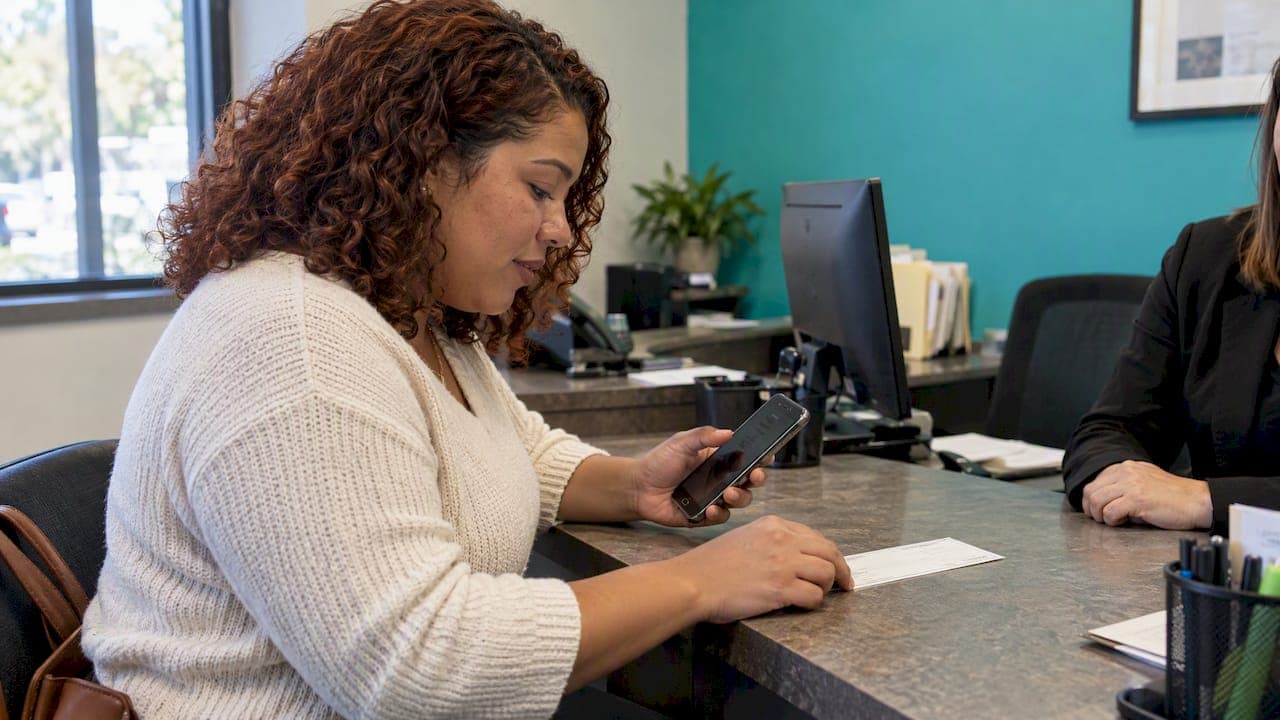
For most homebuyers, a wire transfer is the better way to deliver a large cash-to-close amount, and a cashier’s check is a fine option when the settlement company accepts it and the amount is modest. Neither one is safe by default. What protects you is asking the settlement company in writing what it accepts, then verifying wire instructions by phone before you send a dollar. Below, we compare the two on speed, cost, fraud risk and acceptance, and give you a step-by-step plan for closing day.
TL;DR
- A wire moves money electronically, often within hours, and suits large balances and remote closings. A cashier’s check is a bank-guaranteed paper instrument that suits smaller amounts when the settlement company allows it.
- Personal checks and cash are commonly rejected at closing. Ask the title or settlement company exactly which method, payee name, amount and cutoff time it requires.
- Wire fraud is the bigger danger. Confirm instructions by calling a phone number you verified earlier, never one from an email.
- Send a wire a day or two early, and confirm receipt the same day. If something goes wrong, call the sending bank at once and ask for a wire recall.
- The exact amount matters. Your Closing Disclosure sets the figure, so do not guess.
Table of Contents
- How each method works
- What the CFPB tells buyers to bring
- Wire vs cashier’s check side by side
- Speed and timing
- Cost: what you will actually pay
- The fraud risk you need to plan for
- What to do if a wire goes wrong
- Which method fits your situation
- Get the number right first
- Perspective: closing day should be the quiet part
- Plan your cash to close with us
- Closing day checklist
- FAQ
- Sources
How each method works
A wire transfer sends money electronically from your account straight into the account of the settlement company, escrow officer or attorney. You need the recipient’s account and routing numbers, and the recipient’s account name should match what your bank confirms. Once the receiving side accepts the wire, it is usually hard to pull back.
A cashier’s check is a check drawn on the bank’s own funds rather than your personal account. The bank issues it and guarantees it, so it will not bounce the way a personal check can, as Citi’s guide to sending money explains. You pay the bank, it prints the check payable to the name you give it, and you carry or deliver the check to the closing.
Both are called “good funds” in closing language, meaning money the settlement company can rely on without waiting to see whether it clears. That is why they are the usual choices. A personal check may take days to clear, so settlement companies often refuse it or cap the amount they will take.

What the CFPB tells buyers to bring
The Consumer Financial Protection Bureau’s mortgage closing checklist treats the two methods as equal alternatives. It says to bring a cashier’s check or proof of a wire transfer for the exact amount needed to close, and it tells buyers to ask how to pay. It does not rank one over the other. It stresses three things instead: the exact amount, a careful review of your documents, and trusted contacts you can call.
That framing is the right one. The best method is the one your settlement company accepts, that fits your timeline, and that you can complete without a mistake.
Wire vs cashier’s check side by side
| Factor | Wire transfer | Cashier’s check |
|---|---|---|
| Speed | Often arrives within hours, sometimes the next business day depending on cutoff times | Delivered by hand at closing, but the settlement company’s bank may need time to verify it |
| Cost | A fee charged by the sending bank, which varies by institution and account | A fee for the check, which varies by institution and whether you order at a branch or online |
| Best for | Large balances, remote or out-of-town closings, settlement companies that require electronic funds | Smaller amounts, settlement companies that accept checks, buyers who want a bank-issued document in hand |
| Main risk | Fake wire instructions sent by criminals; hard to reverse once accepted | Counterfeit checks, loss or theft in transit, and some settlement companies cap check amounts |
| Reversibility | Recall is possible but not guaranteed | Replacement of a lost check takes time and paperwork |
| Verification burden | Falls mostly on you, the sender | Falls partly on the settlement company, which must verify the check |
Fees change often and differ between institutions, so ask the issuing or sending bank for its current fee schedule before closing week. Wire fees generally run higher than check fees, but a missed closing costs far more than either.
Speed and timing
Speed is the strongest argument for a wire. Domestic wires typically land within a business day, and many arrive within hours, which is why settlement companies often prefer them for big balances. A cashier’s check is physically in hand on closing day, but the settlement company then has to deposit it and its bank has to verify it, and that can take longer than most buyers expect.
The common assumption is that a cashier’s check is spendable the moment it is deposited. The Office of the Comptroller of the Currency’s consumer help site explains the real rule in its page on cashier’s check holds. If a cashier’s check is deposited in person with a bank employee, the bank generally must make the funds available by the next business day. Exceptions exist, including larger amounts, new or repeatedly overdrawn accounts, emergencies, and checks the bank suspects will not be collected. So a cashier’s check is not the same as instant cash.
Practical timing rules:
- Ask the settlement company for its wire cutoff time and plan to send the wire a day or two before closing, so a delay does not push your signing.
- If you choose a cashier’s check, ask whether the settlement company wants it delivered before closing or brought to the table.
- Allow for weekends and bank holidays. Neither a wire nor a check settles on a day banks are closed.
This matters because a delayed purchase can threaten your contract dates and your rate lock. We average about 20 days from accepted offer to closing, with a standard commitment of 30 days or less, and a late funds delivery is one of the avoidable things that can cut into that schedule.
Cost: what you will actually pay
Both methods cost money, and neither costs much compared with your total cash to close. The wire fee is set by the sending bank, and some institutions waive it for certain accounts. The cashier’s check fee is set by the issuing bank, and ordering online at some institutions costs more than visiting a branch. Because these figures differ by institution, the reliable move is a two-minute call or a look at the fee schedule.
Do not choose a method on a difference of a few dollars. A cheaper check that the settlement company rejects, or a cheap method that delays closing by a day, wipes out the savings. Choose on acceptance, timing and safety first, then on fee.
The fraud risk you need to plan for
Wire fraud in real estate is the reason this question exists. The CFPB’s guidance on mortgage closing scams describes how criminals compromise the email accounts of real estate professionals, watch for a coming closing, then impersonate an agent, settlement company or attorney and send fake last-minute wire instructions. The email looks real. The account number belongs to the criminal.
Checks carry their own fraud risk, mainly counterfeits. Genuine cashier’s checks often carry security features such as watermarks and a bank employee’s signature, but a settlement company still has to verify each one, and that is why some closing agents limit check amounts.

The practical difference is how fast trouble shows up. A wire problem is usually one you cause by sending money to the wrong place, and recovery depends on speed. A check problem tends to surface when the settlement company’s bank examines it. Either way, the defense is verification.
How to verify wire instructions
- Get the wire instructions in writing from the settlement agent, in person or by calling a phone number you independently verified. Do not rely on a number or link in an email.
- Identify two trusted people, such as your real estate agent or a settlement attorney, who can help confirm payment details. The CFPB checklist recommends this.
- Treat any email that changes the instructions at the last minute as suspicious. Call the verified number before acting.
- Ask the sending bank to confirm both the recipient’s account number and the account name before it releases the wire.
- Tell the settlement company right after you send the wire, and confirm that it arrived.
For how escrow and title companies handle wire safety in different states, see our guide to wire fraud checks across escrow and title company setups.
What to do if a wire goes wrong
Speed is everything. If you sent funds to the wrong account or suspect fraud, call the sending bank immediately and ask for a wire recall. The CFPB notes that prompt reporting can improve the chance of recovery, and in its wire fraud webinar it advises contacting the bank at once and notes that detection within 24 hours gives the best recovery chance described there. Recovery is never guaranteed.
After the bank call, notify the settlement company and the loan officer handling your file so they can protect the rest of your transaction. Then follow the steps the CFPB’s scam guidance lists for reporting.
Which method fits your situation
Choose a wire when:
- Your cash to close is large, which is typical when you are putting down a substantial down payment.
- You are closing remotely or from another state, and carrying a check is impractical.
- The settlement company requires electronic funds, which many do.
- You want the fastest confirmation that the money arrived.
Choose a cashier’s check when:
- The settlement company confirms in writing that it accepts one for your amount.
- The balance is smaller, since some closing agents cap check amounts in response to check fraud.
- You are closing in person and comfortable carrying a bank-issued document.
- You have time to pick it up and the issuing bank’s fee is lower than a wire fee.
Avoid: a personal check, unless the settlement company explicitly accepts it, and cash. Settlement companies commonly reject both because neither counts as certified funds.
Get the number right first
The most common closing-day mistake is not choosing the wrong method. It is sending the wrong amount. Your Closing Disclosure shows the cash to close, and the figure can shift slightly between the early estimate and the final document. Before ordering a check or initiating a wire, confirm the final number with the settlement company. A check made out for the wrong amount has to be reissued, and a wire that falls short can delay the signing.
Credit for a seller concession or an earnest money deposit already held in escrow reduces what you owe, so confirm both are reflected. If part of your funds comes from a relative, the paper trail matters long before closing day. Our guide to gift funds for a mortgage walks through the letter and documentation, so the money is ready to wire without a last-minute scramble.
If you are still shopping offers, see how an offer letter fits into a 20-day close so your funds are lined up on the right schedule.
Perspective: closing day should be the quiet part
We broker loans every day, and the closings that go smoothly share one trait: the buyer knew the payment method, the amount and the contact number weeks ahead. Nothing about the money was a surprise.
Our view is simple. Pick the method the settlement company accepts, send it early, and verify by phone. The method matters less than the habit of checking. Most of the fraud stories we hear start with an email that arrived at the last minute and a buyer who wanted to be helpful.
That is also why we keep our own side of the process predictable. We price your file across 40+ wholesale lenders, charge $0 in lender fees, and publish live rates beside the national average every business day at homepilotmortgage.com/rates, so the number you plan for is the number you see. A clear number at the start makes it easier to plan the cash to close at the end.
Purchases through us average about 20 days from accepted offer to closing, with a standard commitment of 30 days or less. Hitting that pace takes a buyer who has funds ready, and we help you get there.
The HomePilot Team
Plan your cash to close with us
Knowing how you will pay is easier when you know what you will owe. HomePilot Mortgage (NMLS #2752340) is a family-owned wholesale broker serving Arizona, California, Colorado, Florida and Texas. We price your file across 40+ wholesale lenders, keep only a thin margin on the winning price, and charge $0 in origination, processing and underwriting fees. You can get a quote in minutes with no hard credit pull to start.

On eligible fixed-rate conventional, FHA and VA offers, our published $500 Best Price Guarantee applies (terms apply). Start with our purchase mortgage page, or check today’s live wholesale rates beside the national average.
Closing day checklist
Use this list in the week before you sign:
- Ask the settlement company which method it accepts, the exact payee name, the amount, the delivery deadline and the cutoff time.
- Get written wire instructions from the settlement agent directly, and verify them by calling a number you confirmed earlier.
- Confirm your final cash to close against the Closing Disclosure.
- Ask the bank about its fee and its wire or check cutoff times.
- Send the wire one to two days early, or pick up the cashier’s check with the name and amount double-checked.
- Confirm receipt with the settlement company the same day.
- Keep your confirmation numbers and copies until the deed records.
FAQ
Is a wire or a cashier’s check better for closing?
Neither is better in every case. A wire usually fits large balances, remote closings and settlement companies that require electronic funds, while a cashier’s check can work for smaller amounts when the settlement company accepts it. The CFPB’s closing checklist treats both as acceptable and tells buyers to ask how to pay.
Can I use a personal check at closing?
Sometimes, but it is commonly rejected. A personal check can take days to clear, so it does not count as good funds, and settlement companies that do accept one often cap the amount. Ask the settlement company before you rely on it.
Is a cashier’s check available immediately after I deposit it?
Not always. The OCC’s consumer site explains that a bank generally must make the funds from an in-person deposit available by the next business day, but holds can apply for larger amounts, new or overdrawn accounts, emergencies or suspected bad checks. That is why settlement companies may want more lead time.
What should I do if I think I sent a wire to the wrong account?
Call the sending bank immediately and ask for a wire recall, then tell the settlement company. The CFPB says prompt action improves the chances of recovery, and its webinar describes detection within 24 hours as the best case. Recovery is not guaranteed, so verification before sending is the better protection.
How early should I send a wire?
Send it a day or two before closing if the settlement company allows. That gives you room for cutoff times, weekends and bank holidays, and time to confirm receipt before the signing.
Sources
- CFPB Mortgage Closing Checklist
- CFPB: Mortgage closing scams, how to protect yourself and your closing funds
- CFPB webinar: Avoiding wire fraud in the mortgage closing process
- OCC HelpWithMyBank: Aren’t cashier’s checks supposed to be honored immediately?
Recommended
- Wire Fraud Checks: Escrow vs Title Company Across U.S. States
- Escrow vs No Escrow: Compare Across 40+ U.S. Lenders
HomePilot Mortgage, NMLS #2752340, is a licensed mortgage broker in Arizona, California, Colorado, Florida, and Texas. Equal Housing Lender. This article is general information, not a loan offer or a commitment to lend. Rates and program terms change daily and depend on credit, loan amount, and county. HomePilot Mortgage is a private company, not affiliated with or endorsed by the Department of Veterans Affairs, HUD, or any government agency.