Escrow Holdback for Repairs: How It Works at Closing
· By the HomePilot team · Reviewed by a licensed loan officer · Company NMLS #2752340
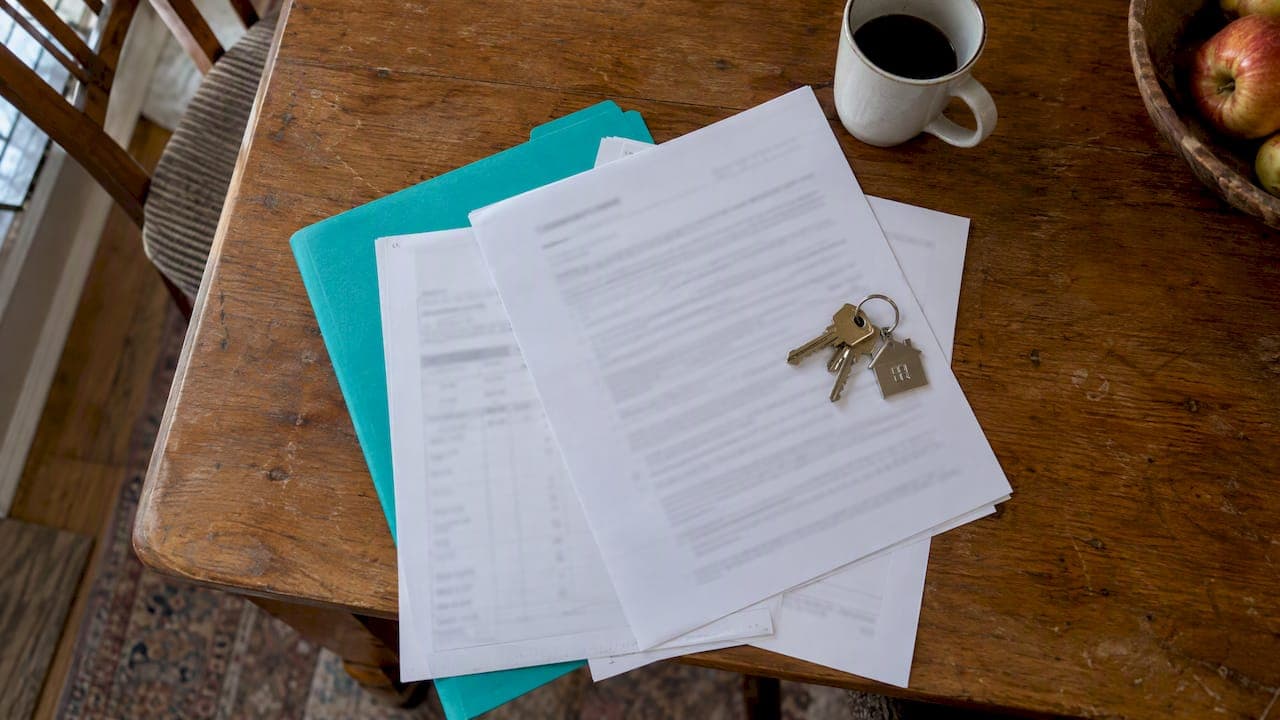
An escrow holdback for repairs is money set aside at closing, in an account held by a neutral party, to pay for specific work that is not finished when the sale or refinance funds. The deal closes on schedule, the work gets done afterward, and the money is released only when the work is complete and verified. Whether you can use one depends on the loan program, the property and the terms the investor behind the loan allows, so it is worth raising before you sign, not after the appraisal comes back.
This guide explains how a repair holdback works, how it differs from a renovation loan, what the rules say for FHA and Fannie Mae programs, and the mistakes that cost buyers and sellers money.
TL;DR
- A repair holdback reserves money at closing for named repairs, so the transaction can close before the work is done.
- Funds are released in draws, and a slice is usually kept back until the final inspection confirms the work matches the plan.
- Larger projects usually need a renovation mortgage, which has its own escrow, a contingency reserve and a final inspection.
- Ask about holdback rules before you pick a loan program, because options and limits differ by program and by the investor behind the loan.
- Collect lien waivers from every contractor before you pay them in full.
Table of Contents
- What an escrow holdback actually is
- Repair holdback versus a renovation mortgage
- How draws and holdbacks protect you
- Step by step: using a holdback on a purchase
- Protect yourself from lien claims
- Do not confuse it with your regular escrow account
- What we have seen: our view on repair holdbacks
- When repairs are too big for a holdback
- Get a loan that fits the repair plan
- Common mistakes to avoid
- FAQ
- Sources
What an escrow holdback actually is
Escrow, in plain terms, is a neutral third-party arrangement that holds and moves money safely. The CFPB’s mortgage glossary describes the best-known kind: an account set up to pay property taxes and homeowner’s insurance. A repair holdback uses the same idea for a different purpose. Instead of paying taxes, the account pays for work.
Here is the typical sequence:
- An inspection or appraisal flags a problem: a failing roof section, peeling paint on an older home, a broken HVAC unit, an open permit.
- The seller cannot or will not finish the work before the closing date, or weather and contractor schedules make it impossible.
- The parties agree, in writing, to reserve an amount for the work. The funds come from the seller’s proceeds, the buyer, or both, depending on the deal.
- The transaction closes. The money stays in the holdback account.
- The work is completed, someone verifies it, and the funds are released to the contractor or returned according to the agreement.
The agreement should name the repairs, the dollar amount, the deadline, who inspects, who is paid and what happens to any leftover money. Vague language is the main reason holdbacks turn into disputes.
Holdback, credit or repair request: which fits?
A holdback is one of three common ways to handle a repair issue found during a sale.
| Approach | How it works | Best when |
|---|---|---|
| Seller completes repairs before closing | Work is finished and verified first | There is time and the seller is cooperative |
| Credit or price reduction | Buyer takes money off the price and handles the work | The loan program does not require the repair before closing |
| Escrow holdback | Money is reserved and released after the work is verified | Work cannot finish before closing, or the loan program requires it to be completed |
A credit does not guarantee the work happens. A holdback ties the money to the work, which is why some loan programs prefer it for items that affect safety or livability.
Repair holdback versus a renovation mortgage
People often mix these up. A small holdback covers a short list of items, often ones that came out of an appraisal. A renovation mortgage finances a larger project and builds the cost into the loan itself.
With Fannie Mae’s HomeStyle renovation program, the lender checks whether improvement funds need to be escrowed or need a contingency reserve, and the borrower signs a Renovation Loan Agreement at closing. The funds are then placed in an account and paid out as work progresses.
Two features matter to you as a borrower:
- Contingency reserve. Renovation loans often require extra money, held inside the renovation escrow, to cover surprises and cost overruns. Fannie Mae’s program page notes that what remains after completion can often go toward elective improvements or be used to pay down principal, subject to program terms.
- Timelines. Under Fannie Mae’s servicing rules, HomeStyle renovation work must be completed within 15 months of the closing date, with limited room for extensions.
If your repair list is long, or you plan to renovate on purpose, ask about a renovation product instead of trying to stretch a small holdback to cover it.
How draws and holdbacks protect you
The word holdback has a second meaning inside renovation escrows: the slice of each payment the lender keeps back from the contractor. Fannie Mae’s borrower tips explain that lenders commonly withhold a portion of each contractor draw until the work tied to that draw is completed and inspected. The goal is to protect you from a contractor who takes the money and stops showing up.
The FHA 203(k) program shows how specific this can get. HUD’s mortgagee letter on limited 203(k) draws says:
- The lender must hold back 10 percent of each draw request until the work is successfully completed and verified.
- A contractor can receive a maximum of four draws: the initial draw at closing, two intermediate draws and the final draw.
- Final releases, less the holdback, should happen within 48 hours of receiving all required documentation, such as lien waivers.
A HUD draw request form also tells the borrower that no additional money can come out of the rehabilitation escrow without lender approval, and that the final holdback stays put until all work is complete.
These are program-specific rules. A smaller repair holdback on a standard purchase will follow whatever the loan program, the investor and your purchase contract say, so get those terms in writing.
Step by step: using a holdback on a purchase
1. Read the appraisal and inspection together. Separate items the loan program requires from items you simply want. Required items drive the holdback conversation. Wants can be handled with a credit or after closing from your own budget.
2. Get written bids. A holdback amount should rest on real contractor quotes, not a guess. Ask for itemized bids with materials and labor, and a realistic start and finish date. Some investors set the reserve above the bid to leave room for overruns, so ask how the amount is calculated before you negotiate it.
3. Confirm the loan program allows it. Not every program or investor accepts a holdback for every type of repair, and limits on amount and timing vary. This is the step people skip. We price files across 40+ wholesale lenders, so if one path does not allow your repair plan, we can look at where else the file fits. You can start with our purchase loan page.
4. Put it in writing. The addendum should list each repair, the amount reserved, who holds the funds, the completion deadline, who verifies the work and how leftover money is split. If the repair is the seller’s responsibility, the seller’s proceeds typically fund it.
5. Close, then schedule the work. Use licensed, insured contractors where your state requires licensing, and make sure permits are pulled for anything that needs them.
6. Verify and release. Expect a final check. On renovation mortgages, Fannie Mae’s servicing guide calls for a final inspection confirming the work matches the plans, often documented on Form 1004D, and you should ask for a full accounting of every dollar distributed from the account.

Protect yourself from lien claims
A lien waiver is a document in which a contractor confirms payment for the work and gives up the right to place a lien on the property. VA training material on escrow and lien releases treats these releases as a core protection. If you pay for work without collecting waivers, a subcontractor or supplier who was not paid could later make a claim against your title.
A practical routine:
- Get a waiver for each payment, not only the last one.
- Ask the contractor to confirm that subcontractors and suppliers are paid.
- Do not release the final payment until the waiver is in hand and the work passes inspection.
You are also still in charge of the project. Freddie Mac’s borrower tips for renovation loans say you are responsible for overseeing the work and making sure it follows the construction contract, even when a lender manages the draws. If work stalls or quality slips, speak up early and in writing.
Do not confuse it with your regular escrow account
A repair holdback is separate from the escrow account that collects property taxes and insurance with your monthly payment. That account has its own federal limits. Under RESPA, the CFPB explains that at closing a lender may collect only enough to avoid a negative balance plus a cushion of up to two months of estimated disbursements, and monthly it may collect up to one-twelfth of the annual anticipated payments.
If you are weighing whether to keep taxes and insurance in an account at all, our guide to escrow versus no escrow walks through the tradeoffs. And because closing involves wiring large sums, our piece on wire fraud checks for escrow and title companies is worth reading before you send anything.
If you have heard the term used for deposits, that is earnest money, a different thing. The CFPB describes it as a good-faith deposit that may be applied to the down payment or closing costs if the deal closes.
What we have seen: our view on repair holdbacks
Most repair problems are really timing problems. A home is livable, the buyer is ready, the rate is locked, and a single item holds up the file. In those moments a holdback can save a closing, but only if it is raised early.
Here is what we tell borrowers:
- Ask before the appraisal, not after. If you are buying an older home or one that needs work, tell us up front. We can look at which programs fit the property and the repair plan before you commit.
- Do not assume every path allows it. Holdback availability and limits differ by program and by the investor behind the loan. Because we compare across 40+ wholesale lenders, we can often find a route that handles the file as it is.
- Keep the paperwork tight. Most disputes we hear about come from fuzzy addenda: no deadline, no named verifier, no plan for leftover funds.
- Check your costs. Our fees are $0 for origination, processing and underwriting, and we publish live rates beside the national average every business day. When you get a Loan Estimate from anyone, our free Loan Estimate review will compare it to wholesale pricing. A holdback should never be a reason to accept fees you did not expect.
- Plan the cash. A holdback does not remove the cost of repairs, it moves when and how you pay. Run the numbers in our mortgage calculators so the monthly payment and the repair bill both fit.
We are a family-owned wholesale mortgage broker, and we would rather you ask the awkward question about repairs on day one than discover a problem a week before closing.
The HomePilot Team
When repairs are too big for a holdback
Sometimes the honest answer is that the house needs more than a holdback can reasonably cover. You have a few options: negotiate a lower price and use a renovation mortgage, ask the seller to complete the work, or walk away. Sellers face the same math from the other side. A seller with a home that needs heavy work and a tight timeline may weigh a traditional listing with repair negotiations against a direct cash sale. For a sense of how that alternative works, this guide to selling a house for cash as-is describes one such service in Dayton, Ohio. It does not cover our five states, but the tradeoffs it lays out are useful context.
For buyers using FHA financing, repair requirements tend to come from the appraisal, and rules are set by HUD. See our FHA loan page for how we price those loans.
Get a loan that fits the repair plan
If you are buying a home that needs work, or refinancing and planning repairs, we can price your file across 40+ wholesale lenders, with $0 lender fees and no hard credit pull to start a quote. Purchases average about 20 days from accepted offer to closing, with a standard commitment of 30 days or less. Start on our purchase page, or if you already own the home, see our refinance options. We are licensed in Arizona, California, Colorado, Florida and Texas (NMLS #2752340).
On eligible fixed-rate conventional, FHA and VA offers, our $500 Best Price Guarantee applies, and terms apply.
Common mistakes to avoid
- Underestimating the repair. If a bid is too low, the reserve runs out before the work is done. Get multiple bids.
- No deadline. Open-ended timelines leave money tied up and the repair unfinished.
- Paying before verification. Release final payment only after the work is checked and waivers are signed.
- Skipping permits. Unpermitted work can create problems at resale and with insurance.
- Assuming the holdback covers upgrades. A holdback for required repairs is not a remodeling budget.
- Not reading the Renovation Loan Agreement. If you use a renovation product, it controls how and when funds move.
FAQ
What is an escrow holdback in real estate?
It is money kept in an escrow account after closing to pay for specific items that were not finished by the closing date, such as repairs or open permits. The money is released when the agreed work is completed and verified. The terms are set in a written agreement among the parties and must be allowed by the loan program.
Who pays for the repairs in a holdback?
It depends on the contract. Often the seller’s proceeds fund the reserve when the seller owes the repair, though buyers sometimes contribute, especially when the work is an improvement they want. Negotiate this in writing before closing.
How long do I have to finish the repairs?
The deadline comes from your agreement and loan program. For Fannie Mae HomeStyle renovation loans, work must be complete within 15 months of closing. Smaller holdbacks usually have much shorter windows, so confirm the date before you sign.
What happens to leftover money?
That is set by the agreement and program. On renovation mortgages, a contingency reserve left over after completion can often be applied to elective improvements or to principal. For smaller holdbacks, the addendum should say whether it returns to the seller, the buyer or the loan.
Can a holdback delay my closing?
It is meant to prevent delay, but only if everyone agrees on the terms early. Late discussions about amounts, who holds the funds and who inspects are what slow files down. Raise the repair issue as soon as the inspection or appraisal reveals it.
Sources
- CFPB: Mortgage answers and key terms
- CFPB: Limits on mortgage escrow account deposits
- HUD: Limited 203(k) draw requests mortgagee letter
- HUD: Draw request form
- Fannie Mae: HomeStyle
- Fannie Mae: HomeStyle Renovation consumer tips
- Fannie Mae Servicing Guide: Renovation mortgage loans
- Freddie Mac: Renovation mortgage borrower tips
- VA: Escrow and lien releases training
Recommended
- Escrow vs No Escrow: Compare Across 40+ U.S. Lenders
- Wire Fraud Checks: Escrow vs Title Company Across U.S. States
- Close in 20 Days: Home Inspection vs Appraisal for U.S. Buyers
HomePilot Mortgage, NMLS #2752340, is a licensed mortgage broker in Arizona, California, Colorado, Florida, and Texas. Equal Housing Lender. This article is general information, not a loan offer or a commitment to lend. Rates and program terms change daily and depend on credit, loan amount, and county. HomePilot Mortgage is a private company, not affiliated with or endorsed by the Department of Veterans Affairs, HUD, or any government agency.